The Ledger
Trezor says three Safe 5 wallets had seed-capturing implants
Trezor says it found implants in three Safe 5 devices bought from reseller CryptoBilis between August and September 2026. Firmware 2.13.1 blocks the implants it identified, but the company says affected buyers should still move funds to a wallet with a new seed.
Three devices found in investigation
Trezor says it found seed-capturing implants in three Safe 5 hardware wallets bought from CryptoBilis, a reseller, between August and September 2026. The company’s November 12 investigation update says one device was examined in its lab, while the other two were identified from photographs their owners sent.
The devices were purchased between August 20 and September 23 through CryptoBilis’s Tokopedia and Shopee stores and directly from the reseller, according to Trezor. The company says none of the three owners has lost funds, and that every other device it has checked showed no evidence of tampering.
Implant copied information on screen
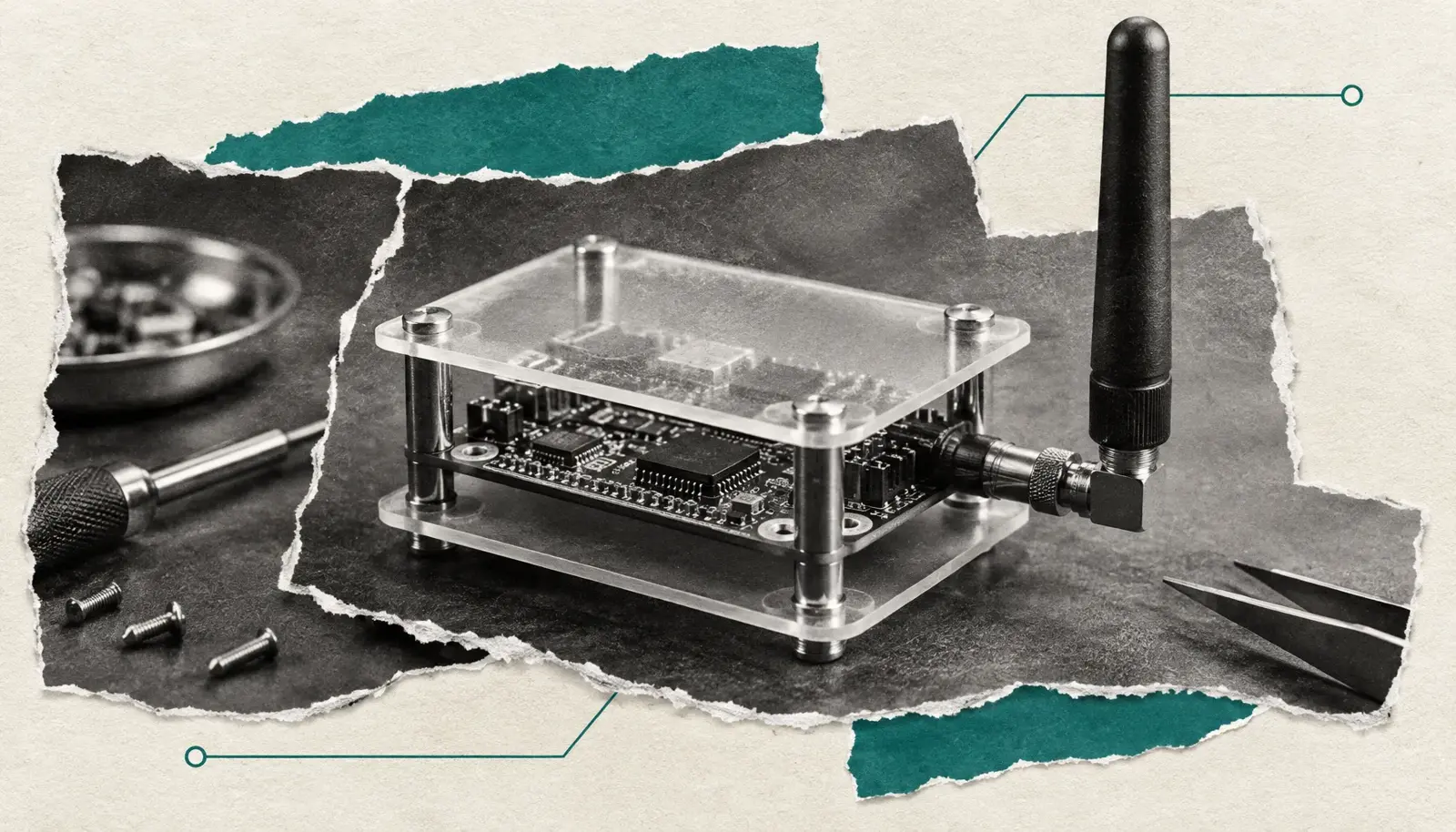
Trezor’s analysis found an additional circuit board fitted between the Safe 5’s main board and screen. The company says the component copied what appeared on the display, including information typed on the device, but did not alter the wallet’s firmware or Secure Element.
The implant recognized and stored recovery words shown when a wallet backup was created or entered during recovery of an existing wallet, Trezor says. It could also capture a passphrase if one appeared on screen. The company says the device encrypted captured data and sent it over a mobile network to a server controlled by the attackers; if it could not connect, it stored the data and tried again later.
Firmware update and reseller changes
Trezor says firmware version 2.13.1, released November 11, includes protection that prevents the implants it found from capturing information on devices running the update. The company cautioned that the firmware cannot protect a wallet backup already captured before installation, and says CryptoBilis buyers should move funds to a new wallet created with a new seed.
The company also says it has cut its reseller network by about 80%. It said the removed partners were trustworthy and posed no immediate threat, but did not meet stricter processes that remaining resellers will have to follow for sourcing, storage and access to devices.
Replacement eligibility and ongoing checks
Trezor says customers who bought a device from CryptoBilis from March 2026 onward are eligible for a new device. Depending on shipping rules and the buyer’s country, the company says it may offer a different model with the price difference refunded, delivery to an address in another country, or a refund.
After reports about CryptoBilis in October, Trezor asked buyers to contact it; 48 had done so by the time of the update, and their devices were being checked in the lab or through photographs. The company says it has also inspected devices from other regional resellers and has found no evidence of tampering outside CryptoBilis. Its investigation remains open, including for any confirmed implant in another reseller’s device or another Trezor model, and any report of losses linked to the implants.
Sources
- Original source · Blog post Trezor trezor.io
Related stories
- Trezor Warns CryptoBilis Buyers After Safe 5 Implant Report
- Skladon breach exposed data from about 27,000 Trezor orders
- Keylabs says COLDCARD seed-generation fix holds up in review of shipped firmware
- Ledger Extends Hardware-Implant Warning to Dubai Buyers
- Keystone to Destroy 18,835 Wallets After Authentication Key Theft